Du 9 au 12 avril | Grand Palais | Stand J 9

An Interior Landscape

From April 9 to 12, at the Grand Palais, Art Paris 2026 returns with a new edition where design engages in dialogue with contemporary art. For its second participation, Rinck unveils a scenography conceived as a journey — unfolding as a landscape of objects where furniture, sculpture, and interior architecture interact within an immersive composition. Set across three organically shaped platforms, the pieces emerge as presences, inviting the eye to move, to pause, and to engage on a sensory level.

Drawing on an imagined antiquity, the scenography creates an environment in which objects take on an almost architectural dimension. Stelae, columns, sculptural volumes — certain pieces seem to echo a classical vocabulary while remaining firmly rooted in a contemporary language.

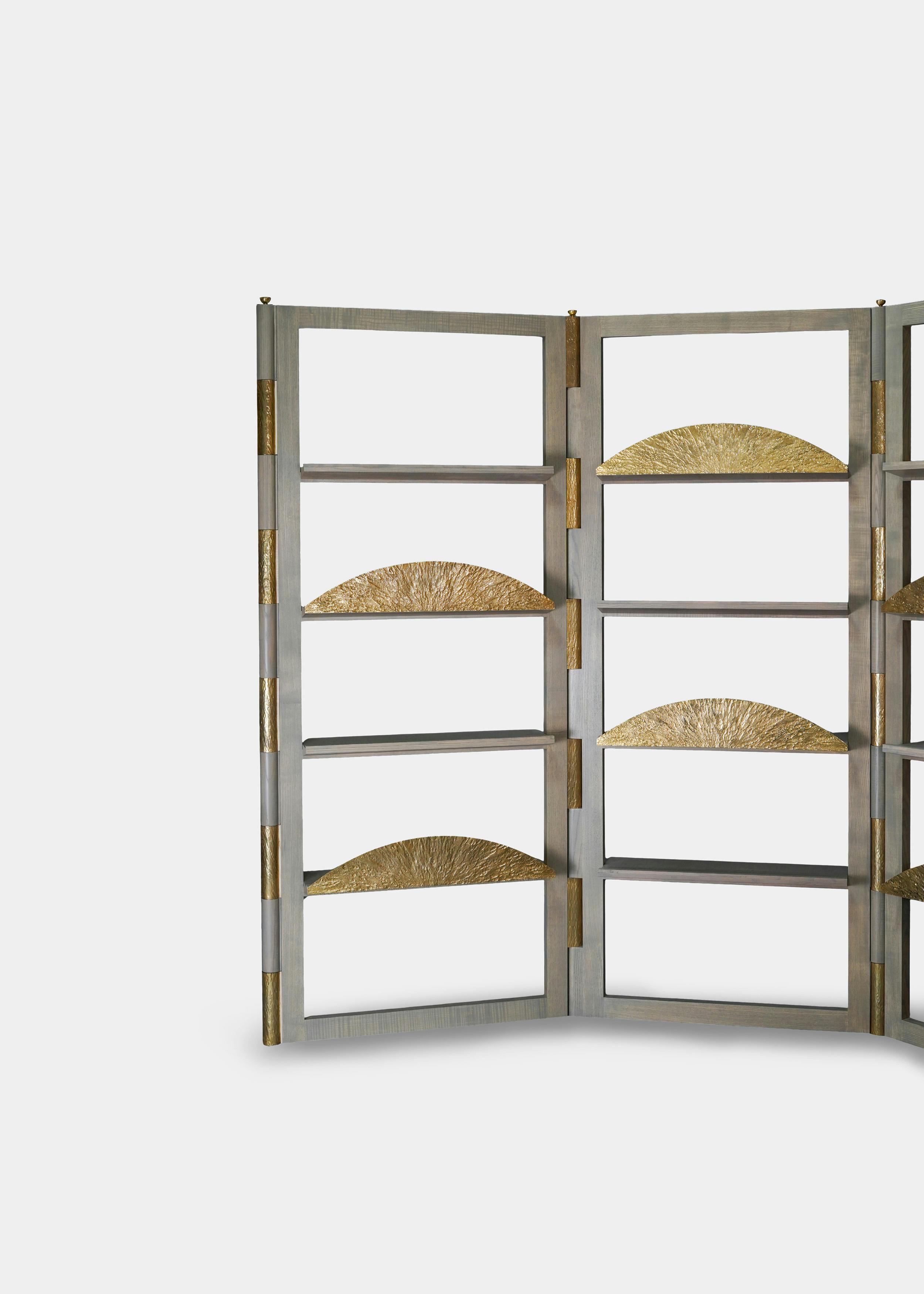
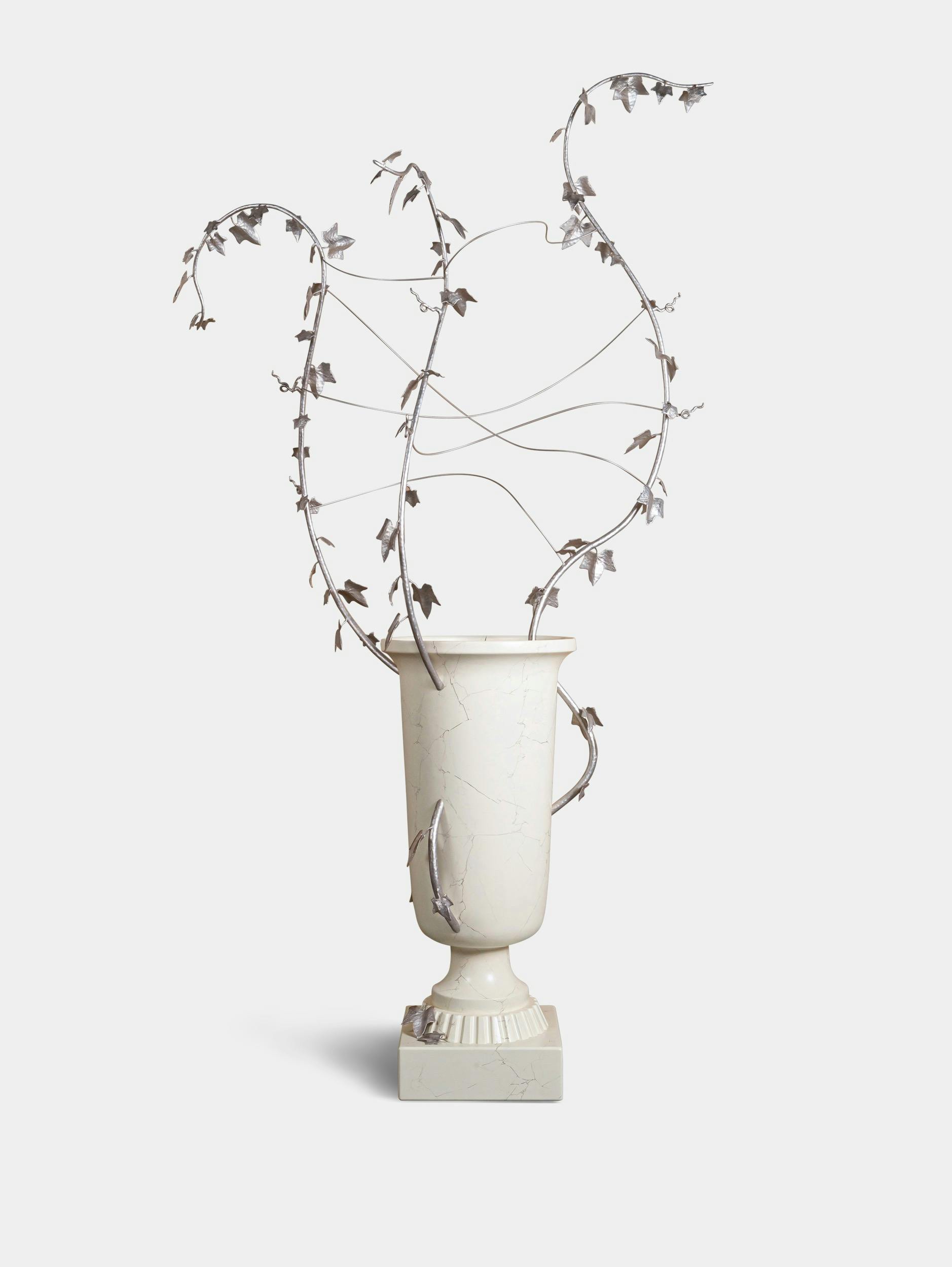
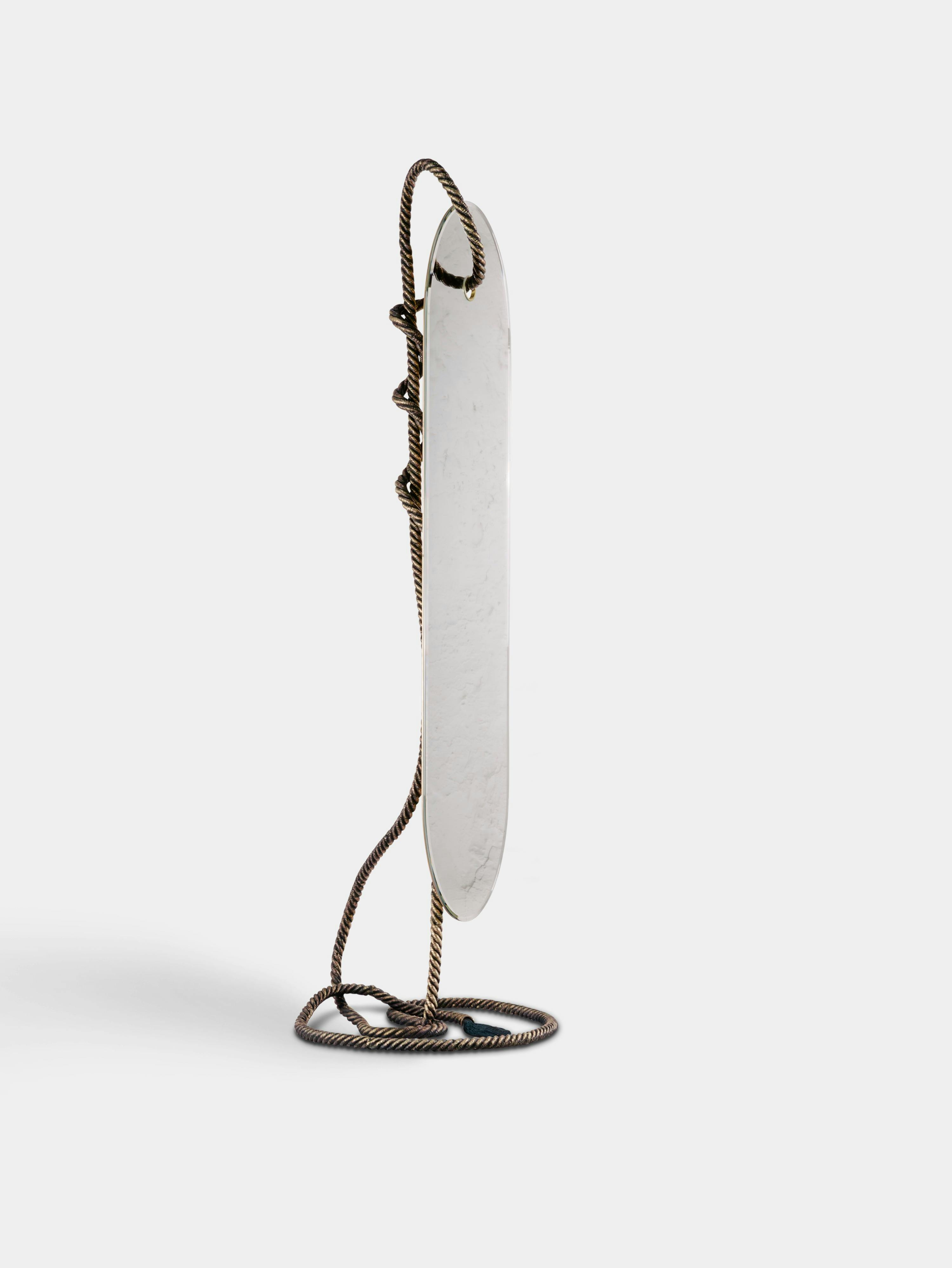
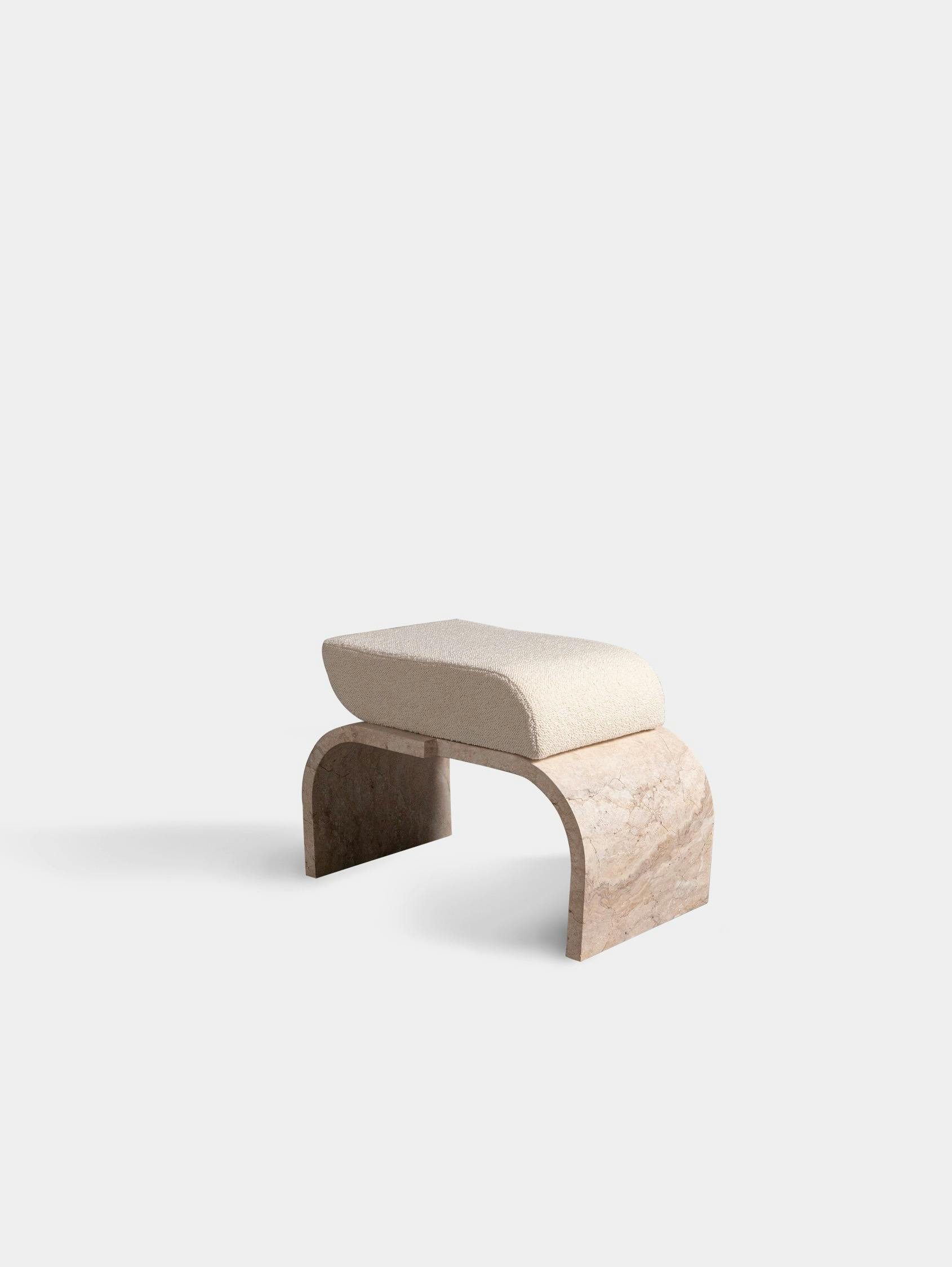
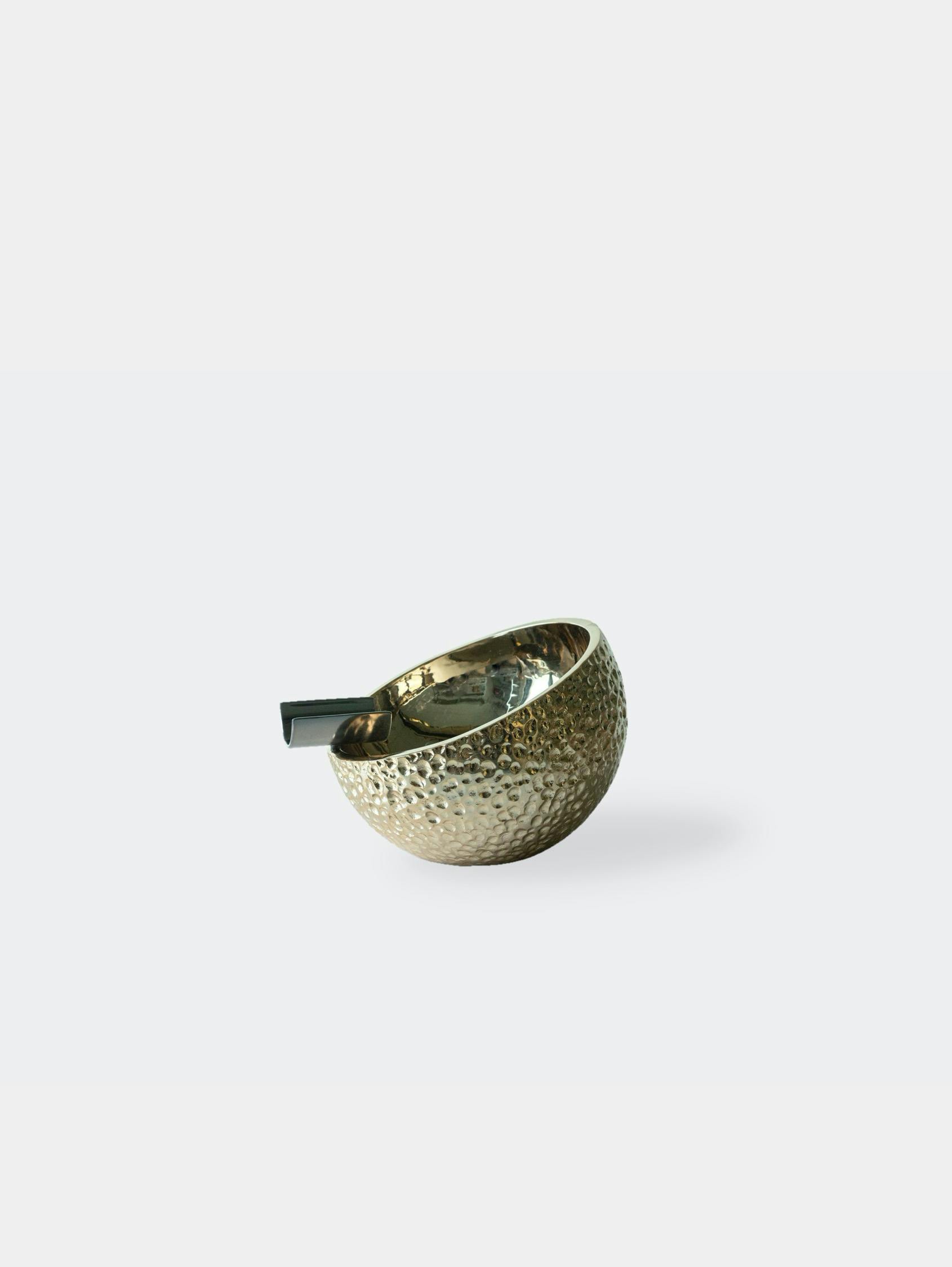
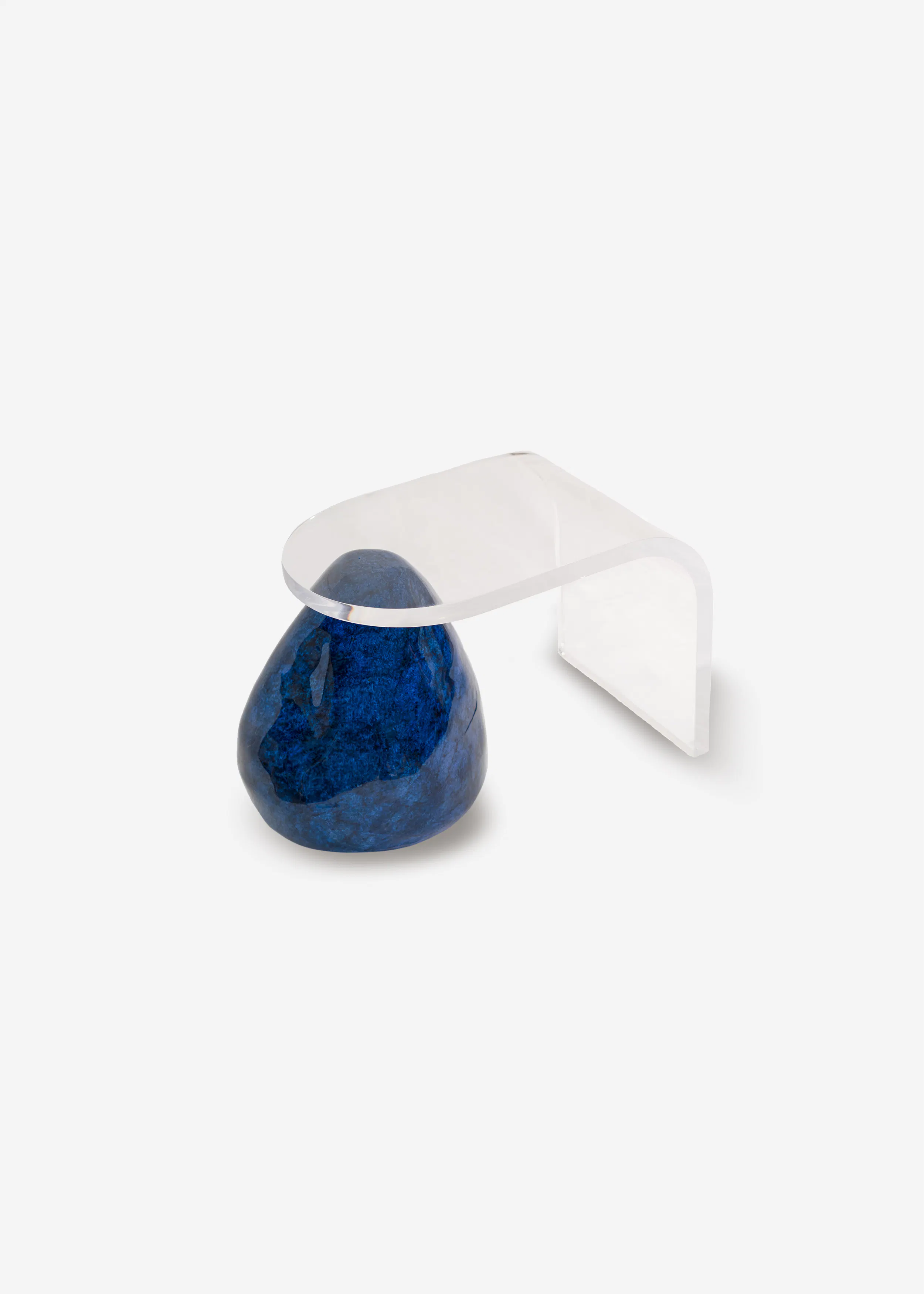
Presented within the French Design Art Edition section, the stand brings together a selection of works from the Nereus, Amarante, Hébé, and Passage collections, unfolding as fragments of an interior landscape.
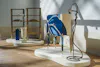
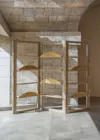
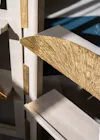
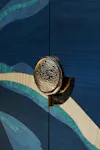
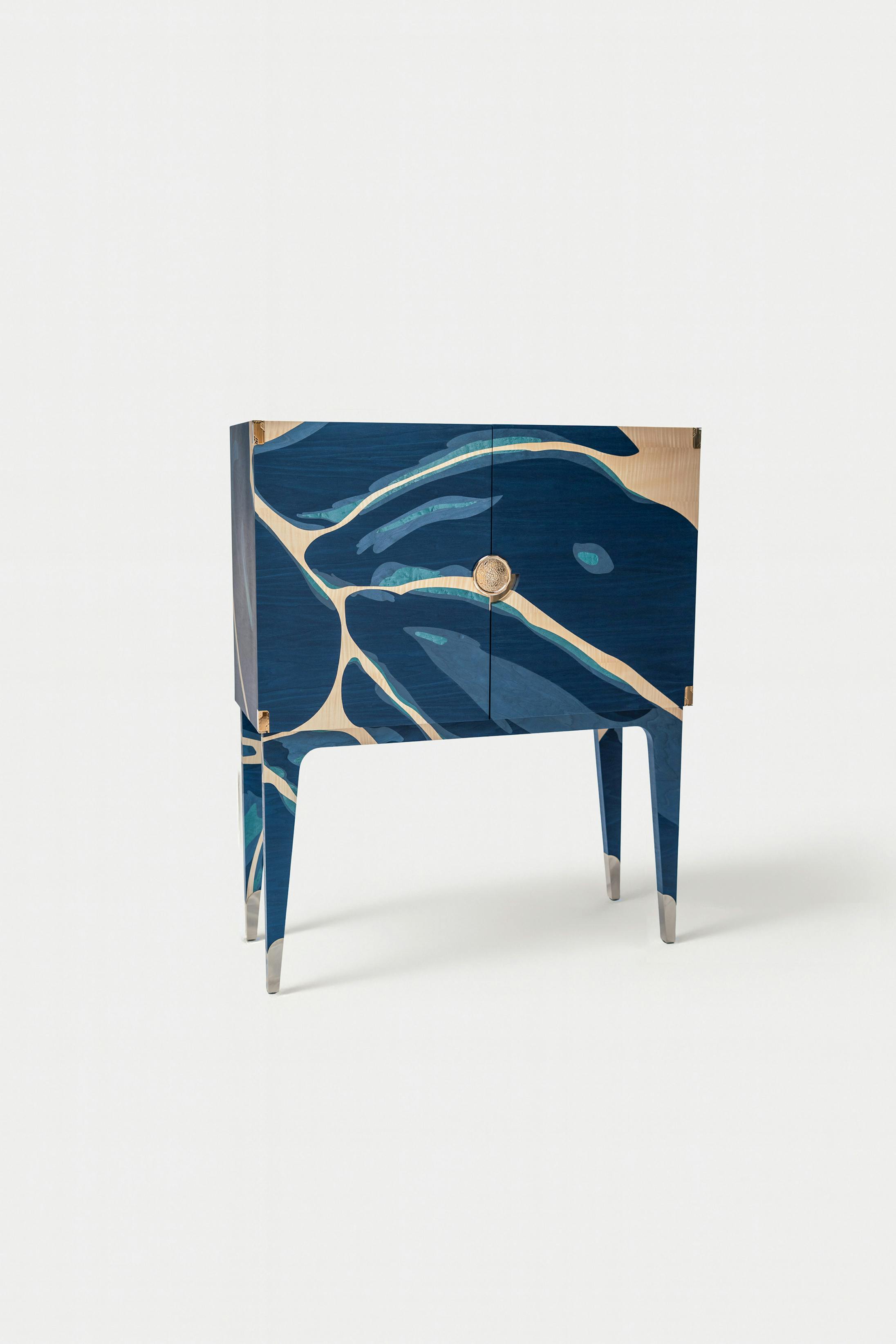
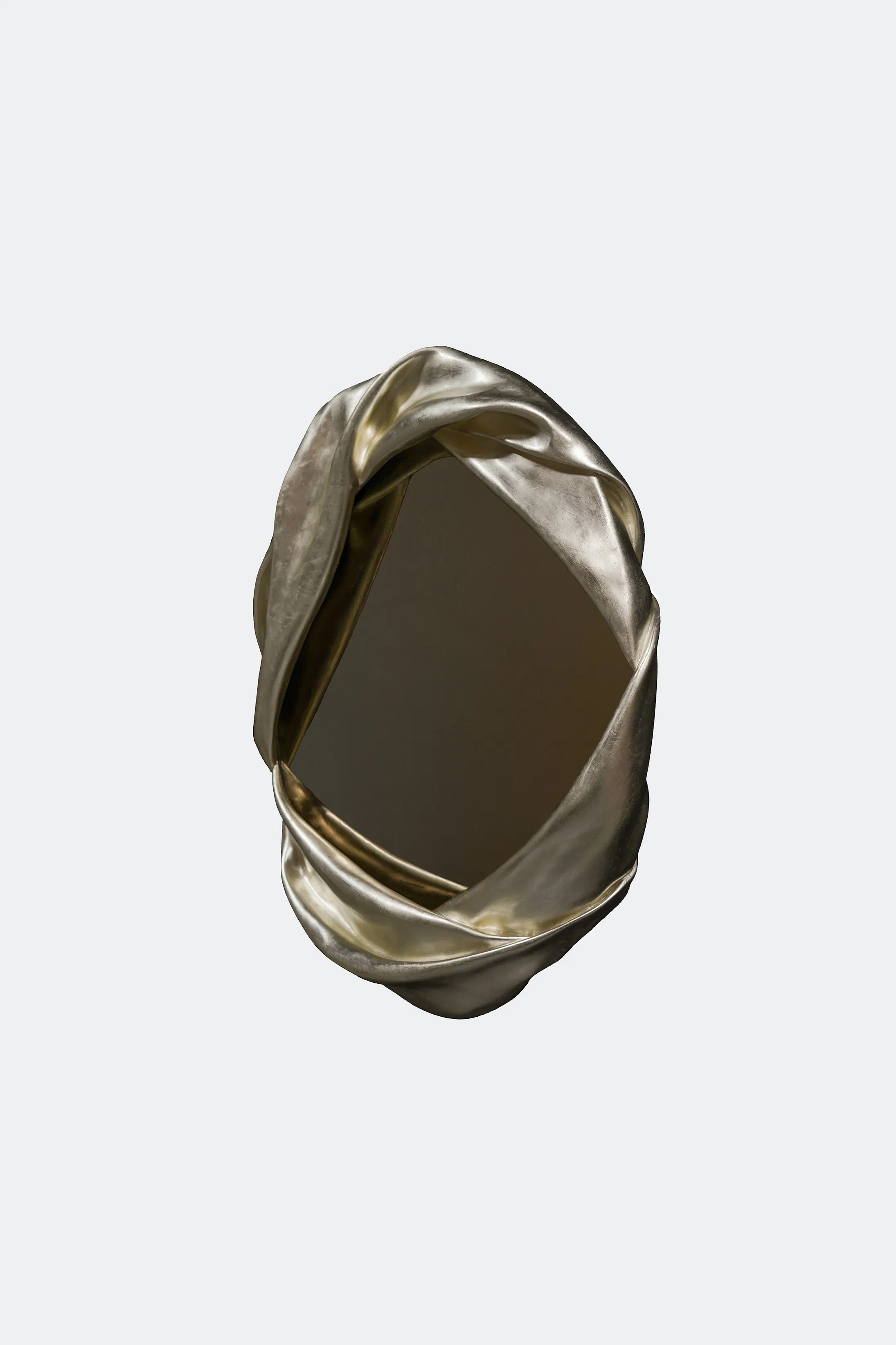
At the heart of this ensemble, the Nereus cabinet stands out as a defining piece. Its undulating lines, marquetry inspired by marine currents, and shifting reflections reflect an exploration of movement, light, and depth. Within the scenography, correspondences unfold: the cabinet’s marquetry echoes the mirror’s reflections, chiseled bronzes capture the light, while the library structure rhythmically shapes the space like a series of frozen waves.

As Bertille Goux explains:

“It is a constant conversation between creative intuition and the expertise of the workshops. We begin with images, ideas — sometimes even with the impossible — and it is through this exchange that forms take shape.”

In Nereus, this process gives rise to pieces in which material seems almost alive, as if animated by an invisible movement.

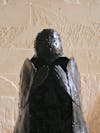
At the center of the scenography stands La Nuit, a work by Simon Buret.

Slender, silent, almost hieratic, the sculpture acts as an anchor point.
Somewhere between body and landscape, it unfolds its wings in a gesture that is both protective and enveloping.

“With La Nuit, it was not about designing an object, but about embodying a fragment of life, of dream, of silence.”
— Valentin Goux

Part of the Opus Memoria universe, it transcends the notion of object to become a presence — an open form in which emptiness itself becomes material.

Through this installation, Rinck explores a territory at the intersection of collectible design, sculpture, and interior architecture.

Furniture, sculpture, architecture — the boundaries dissolve in favor of a shared language.
Each piece contributes to a broader narrative, where references, materials, and gestures resonate with one another.

Throughout the duration of the fair, the gallery on rue de Beaune extends this experience, presenting a new scenography featuring a selection of works from the Opus Memoria collection.