Nereus: A Collection Designed by Movement

For Bertille Goux, Collection Director at Rinck, Nereus did not originate with an immobile pattern, but with movement. The movement of water, of course, but also that of an open, evolving creative process, fueled by constant dialogue between lines, materials, and savoir-faire.

The springboard for the Rinck collection was the Monaco Yacht Show, an event that opened a new field of exploration. “It wasn’t a pretext, but a lead-in,” she explains. The chance to dive into a world of water to understand its artistry, essence, rhythms, and reflections, and to express them in a style of furniture that could only come from Rinck.
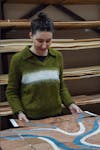

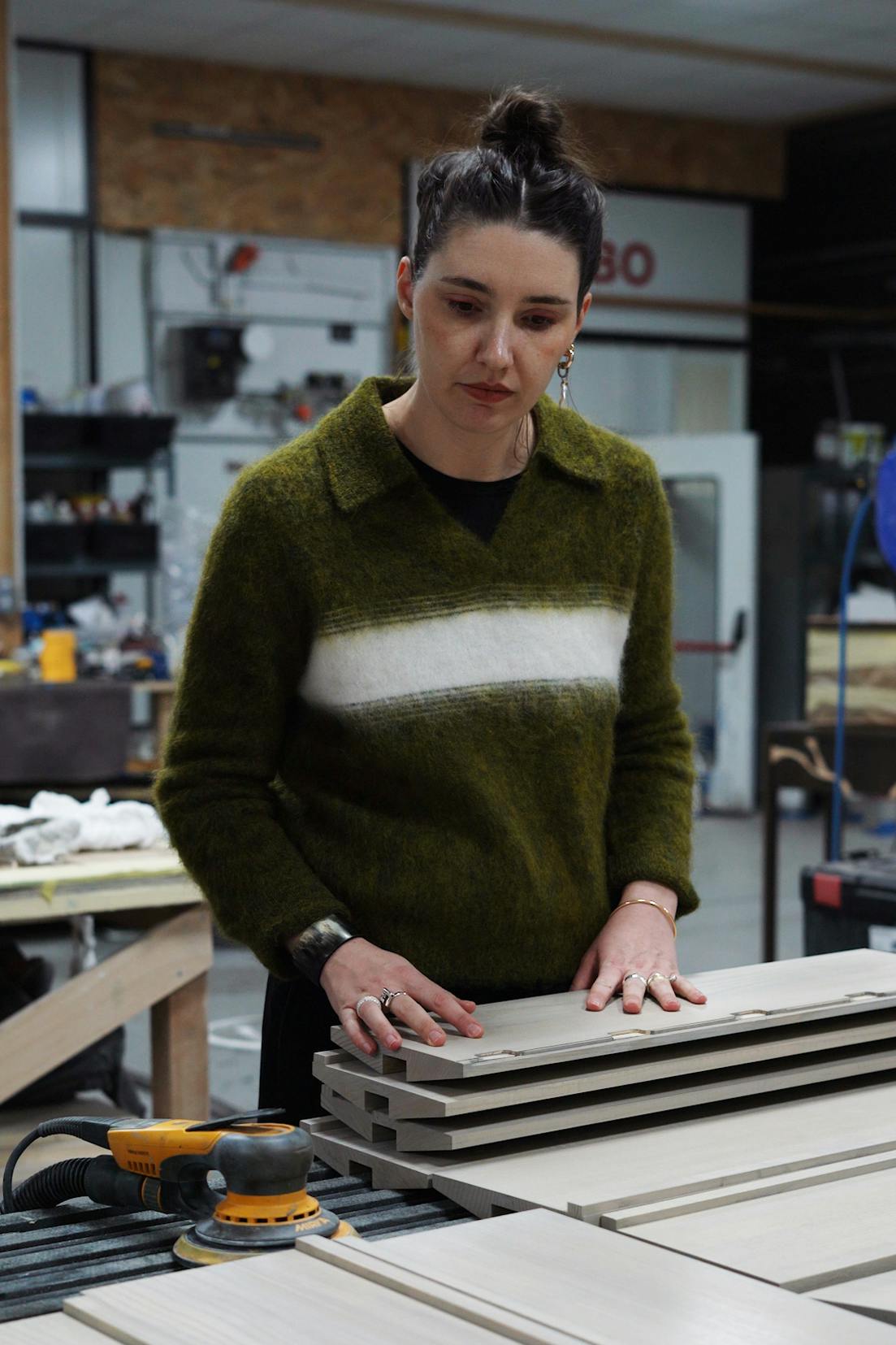
Bertille Goux, collection director at Rinck

Bertille’s work is part of a very deliberate exercise in continuity. She draws by hand while drawing on the company archives, the essential foundation of all creative work, and reinterprets a repertoire of what are now signature forms and facets: curves and ferrules, lines and proportions.

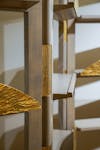
“These are elements that we incorporate, reinvent, and rework,” she explains, seeking not to repeat them, but to cause them to evolve. This philosophy can be seen in the Nereus collection through her in-depth work with all-over marquetry. Here, she chose to explore this traditional process on a different scale, rendering it immersive, enveloping, visually striking. The first manifestation was the cabinet; then the technique was pursued further on the desk, the newest piece in the collection, with its subtle interplay of multiple materials, including mother-of-pearl.

As the creative process unfolds, drawing and materials influence one other. At times, a line calls for a specific veneer; other times, the wood grain steers the design. “The process takes shape as we go,” she explains. The discovery of a wood species or a texture or a forgotten stock of material can take an initial intention in another direction, change the equilibrium, and enrich a piece.

Close collaboration with Rinck’s in-house workshops make such dialogue possible. The artisans are not mere executors, but act as driving forces, contributing ideas, technical solutions, and sensitive viewpoints and visions. At the core of the creative process is a constant, constructive conversation.

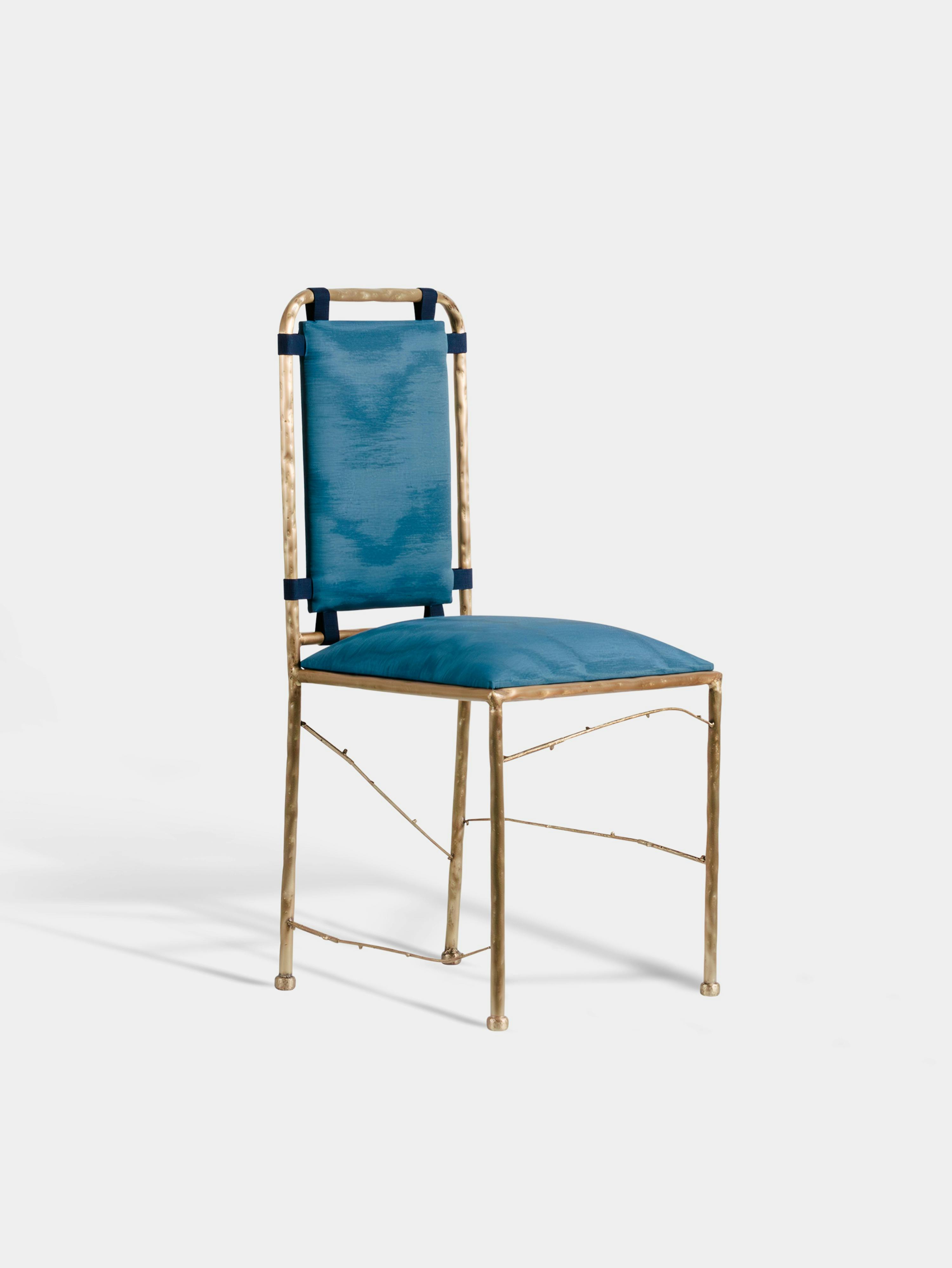
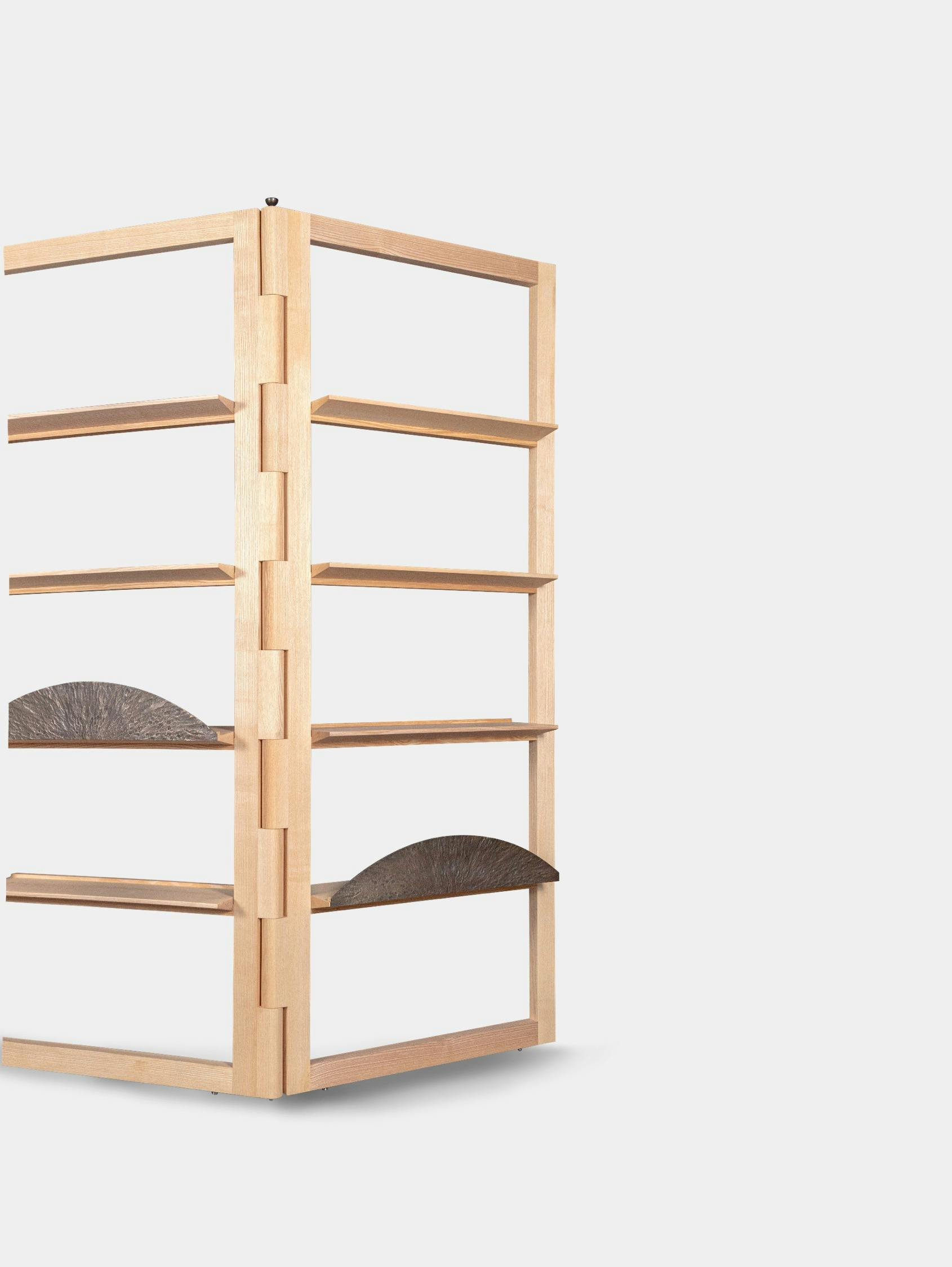
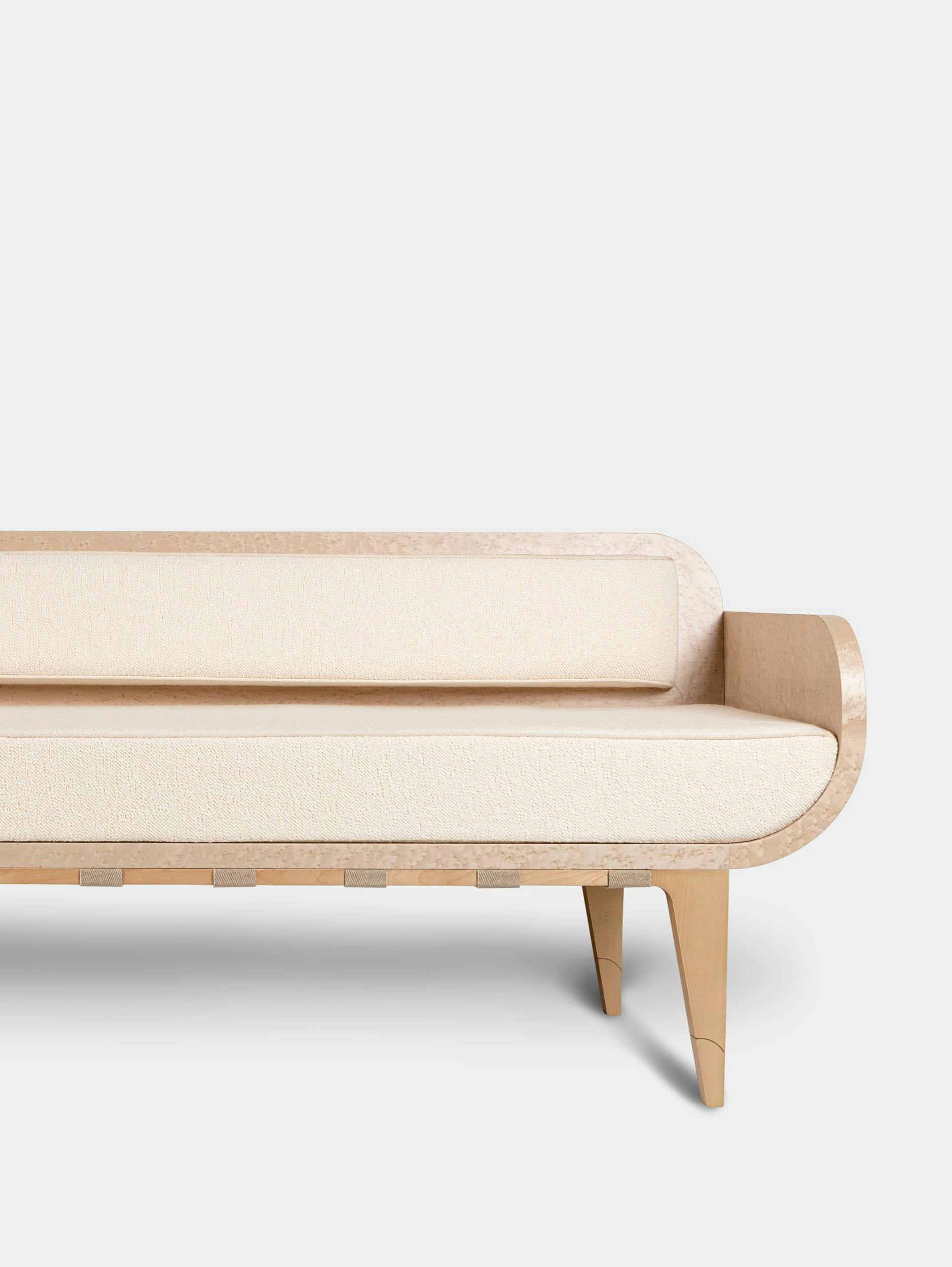
Bertille describes Nereus as a “jewelry collection”: visually striking, highly ornamental, but never ostentatious. As she explains, the challenge was achieving the right balance between the vast array of savoir-faire and esthetic restraint, to avoid excess or showiness.

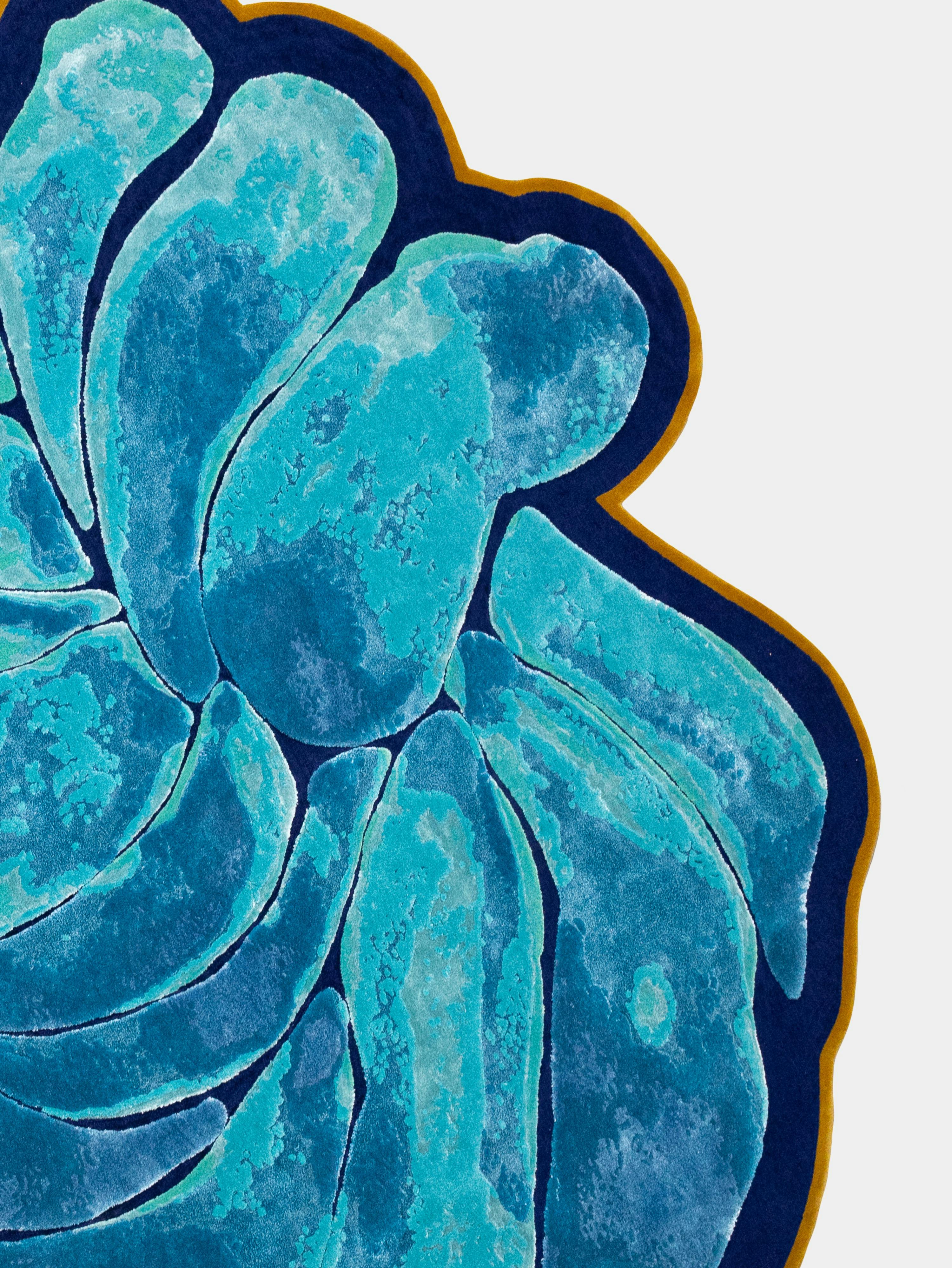
This controlled creation was aided by the color palette: fewer vivid tones, more deep blues, metals, and natural woods of subtle hue. Though each piece is designed to stand alone, it works with the others to create overall harmony.

A key moment in the process is when the separately designed pieces are brought together and placed side by side. For Bertille, “that’s when I ask myself if everything is right, balanced, harmonious.” Every decision is vital – from patinas to gold leaf to finishes –, because the ensemble must make sense as a whole, not just as an assemblage of pieces.

Paradoxically, that moment of doubt, of tension, marks the point at which the collection truly begins to exist.

What Bertille wants most to accomplish through Nereus is to have a visual impact on visitors while allowing them to perceive the depth of the work and the mastery and variety of the savoir-faire involved:  “It’s where the weight of history meets a very contemporary spirit.”

A vision in which furniture becomes a sensitive language, forming a bridge between the company’s legacy of heritage and energy of current creation, the strictness of lines given freedom in their ultimate execution.